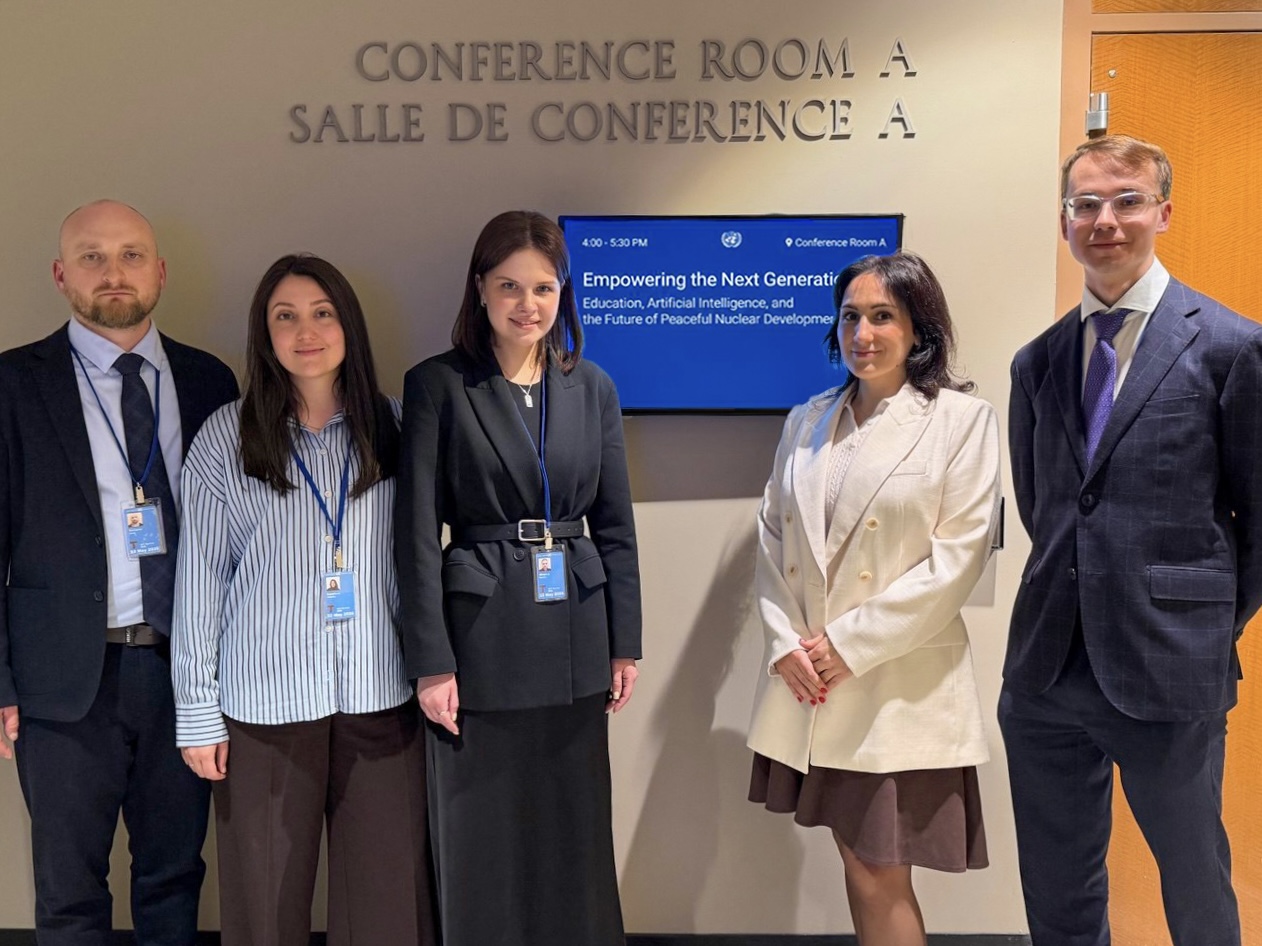
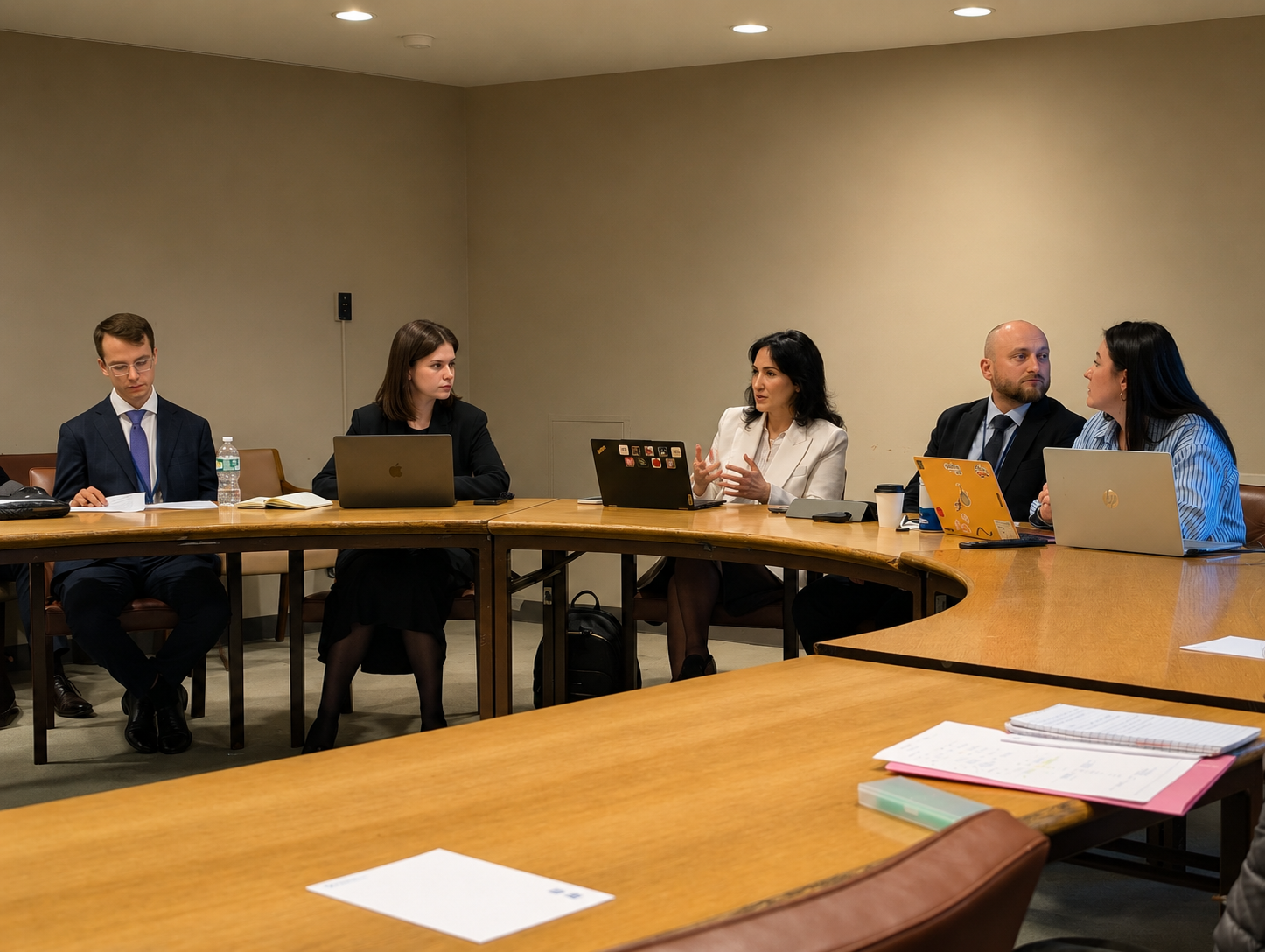
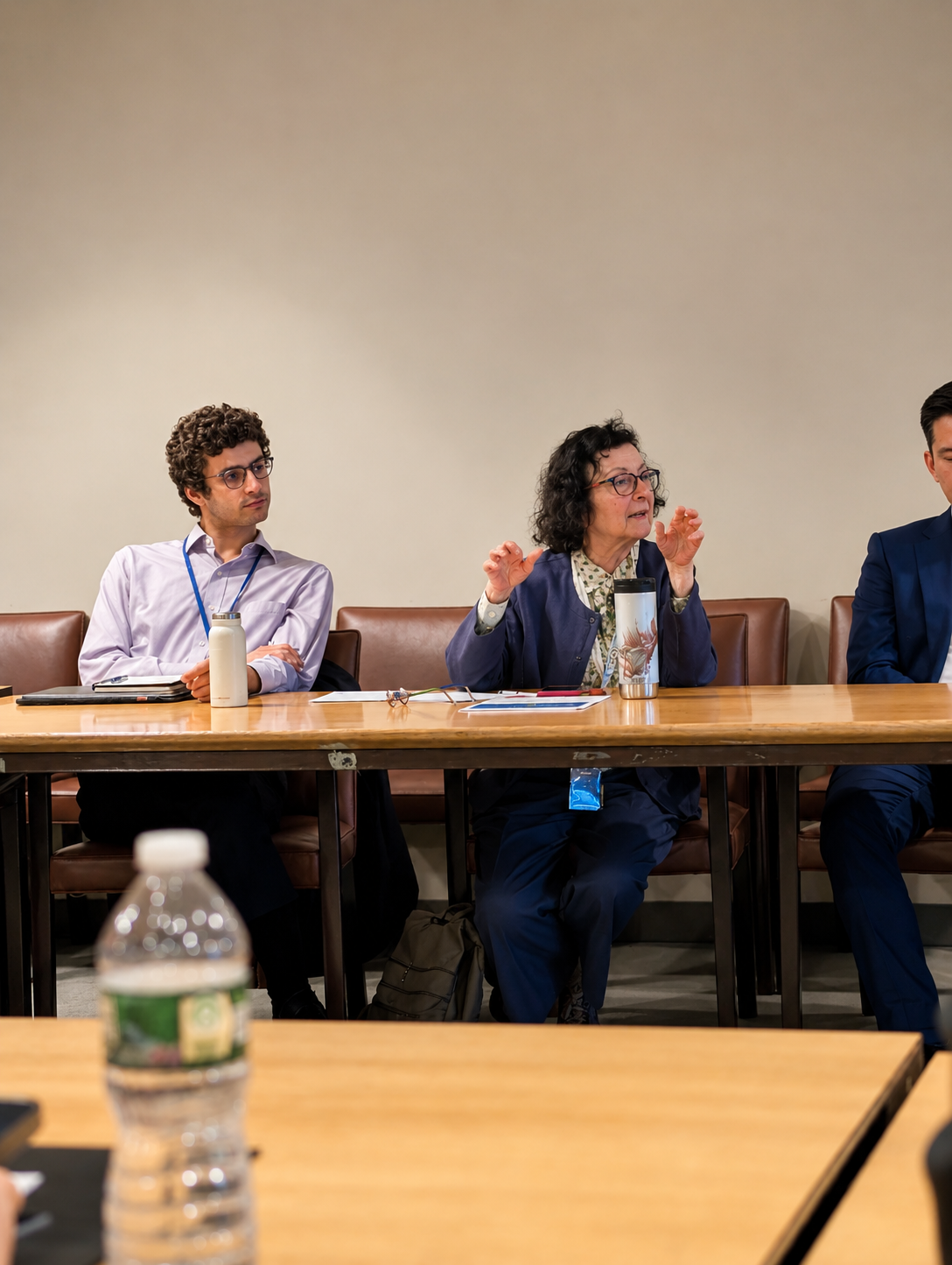
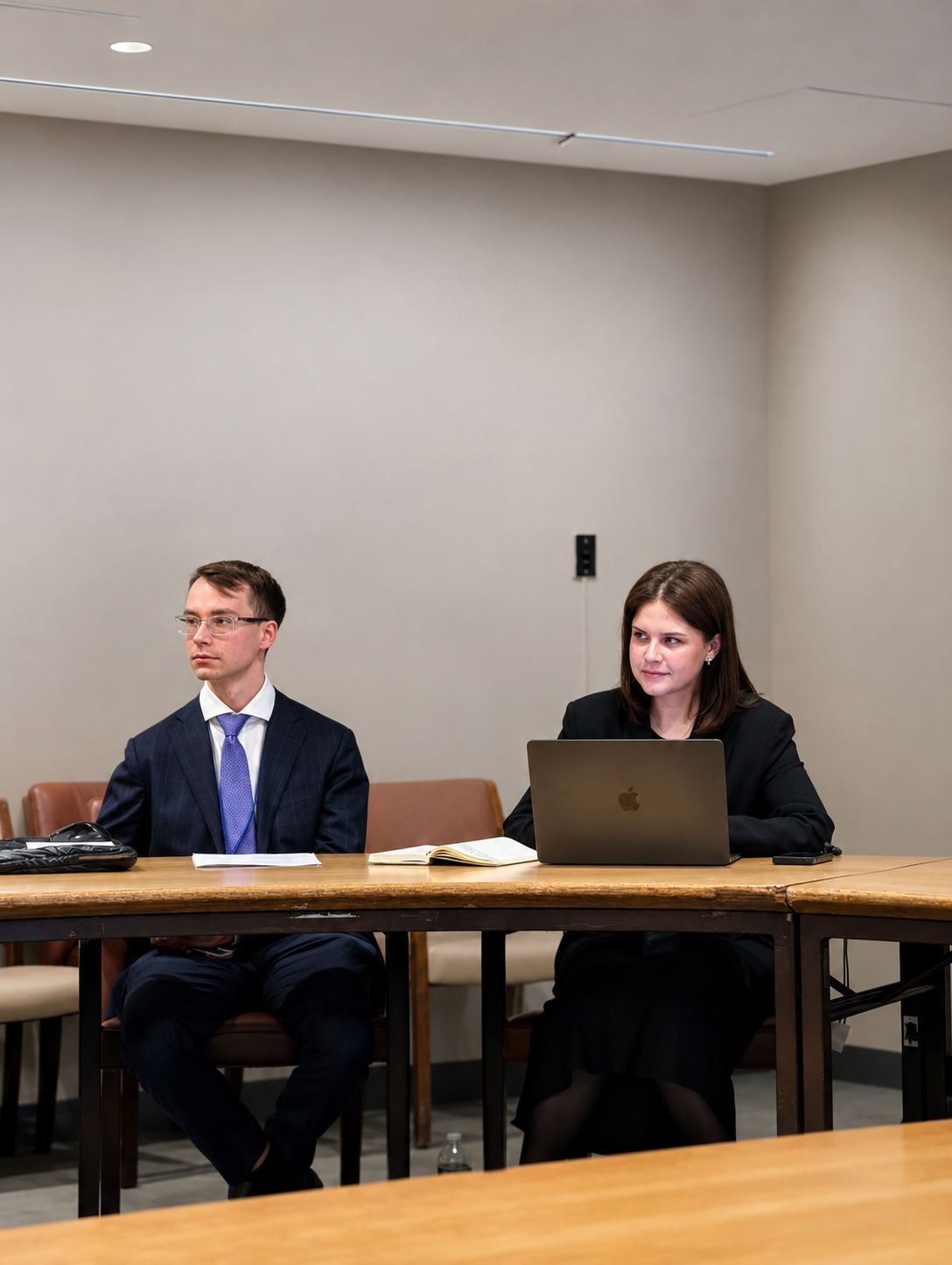
On 13 May, the Primakov Center held the side event “Empowering the Next Generation: Education, Artificial Intelligence, and the Future of Peaceful Nuclear Development” at the United Nations Headquarters. The event took place as part of the Center delegation’s participation in the NPT Review Conference, which is being held in New York from 27 April to 22 May.
The NPT Review Conference is held every five years at the UN Headquarters and brings together States Parties to the Treaty, international organizations, expert institutions, and the academic community. The programme includes the work of three thematic committees dedicated to non-proliferation, disarmament, and the peaceful use of nuclear energy. Throughout the month, official delegations from 191 countries negotiate the final document, which is expected to reflect agreed approaches to key international security issues. This year, the Russian delegation to the Conference is headed by Ambassador-at-Large Andrey Belousov.
A separate track of the Conference consists of side events organized by States Parties, international organizations, NGOs, research institutions, and analytical centers. This year, the Primakov Center joined the NPT Review Conference for the first time and hosted a dedicated panel discussion focused on education, the use of AI, and the future of peaceful nuclear development. The discussion was moderated by Viktoria Karsliieva, Executive Director of the Primakov Center.
Opening the panel, she noted: “It is a great honor for us to join the NPT Review Conference for the first time as a Russian non-governmental organization. We believe that engaging new voices — especially young people — is essential for strengthening the non-proliferation regime and advancing the potential of peaceful nuclear development.”
Representatives of the Moscow branch of the Rosatom Technical Academy — Irina Sarkisyan, Head of Project Office "Nuclear Education Transfer", and Iurii Kriuchkov, specialist in International Activities — spoke about the global workforce challenges currently facing the nuclear industry. According to the speakers, the worldwide shortage of specialists is becoming one of the key obstacles to the development of nuclear energy. According to IAEA estimates, achieving the goal of tripling global nuclear energy capacity by 2050 will require hundreds of thousands of new highly qualified professionals.
The Rosatom Technical Academy representatives also highlighted Rosatom’s international educational initiatives implemented in countries where nuclear facilities are under construction.
Rosatom is a global leader in nuclear technologies, holding the world’s largest portfolio of nuclear power plant construction projects, with 41 large and small reactor units in 11 countries, and operating in more than 60 countries worldwide. Under these conditions, training local specialists and expanding international educational cooperation have become strategic priorities for the industry.
“Today, it is critically important to view education and workforce development as an integral part of promoting the peaceful use of nuclear technologies. Without human capital development, international academic cooperation, and the training of a new generation of specialists, sustainable development of the global nuclear industry will be impossible,” added Irina Sarkisyan.
The discussion on education and technology was continued by Denis Stolyarov, Dean of Student Affairs at the Skolkovo Institute of Science and Technology (Skoltech), who spoke about how artificial intelligence is transforming approaches to specialist training and the very understanding of professional expertise. According to him, technologies are already reshaping not only what students learn, but also how knowledge management and decision-making processes are organized.
“AI lowers the barrier to accessing many complex technological tools, but it does not reduce the need for responsibility. Therefore, the university’s task is not simply to teach students how to use new technologies, but to develop their ability to verify results, understand limitations, and make decisions under conditions of uncertainty,” he emphasized.
As an example of a practice-oriented approach to specialist training, he presented the international Innovation Workshop programme implemented at Skoltech. According to the speaker, the project aims to prepare professionals capable of working across disciplines and adapting to rapidly changing technological realities.
The final presentation of the side event was delivered by Ksenia Mineeva, Lead Specialist at the Primakov Center, who addressed the role of youth and academic programmes in strengthening international trust. She noted that amid growing political tensions, educational and humanitarian initiatives remain one of the few sustainable instruments for maintaining international professional dialogue.
In addition, Ksenia Mineeva presented the Primakov Center’s projects in the field of peaceful nuclear development and nuclear non-proliferation. These include the Youth Segment of the Moscow Nonproliferation Conference organized in partnership with the Center for Energy and Security Studies (CENESS), the Educational Mission to international organizations and research centers in Vienna implemented with the support of the Permanent Mission of the Russian Federation to the International Organizations in Vienna, as well as the InteRussia internship programme for foreign specialists in nuclear technologies, first launched in 2025 in cooperation with the Rosatom Technical Academy.
The discussion concluded with a Q&A session, during which participants explored how educational initiatives can complement existing international cooperation mechanisms in the field of non-proliferation. Particular attention was paid to the importance of developing new interdisciplinary projects at the intersection of technology and education.
The NPT Review Conference is held every five years at the UN Headquarters and brings together States Parties to the Treaty, international organizations, expert institutions, and the academic community. The programme includes the work of three thematic committees dedicated to non-proliferation, disarmament, and the peaceful use of nuclear energy. Throughout the month, official delegations from 191 countries negotiate the final document, which is expected to reflect agreed approaches to key international security issues. This year, the Russian delegation to the Conference is headed by Ambassador-at-Large Andrey Belousov.
A separate track of the Conference consists of side events organized by States Parties, international organizations, NGOs, research institutions, and analytical centers. This year, the Primakov Center joined the NPT Review Conference for the first time and hosted a dedicated panel discussion focused on education, the use of AI, and the future of peaceful nuclear development. The discussion was moderated by Viktoria Karsliieva, Executive Director of the Primakov Center.
Opening the panel, she noted: “It is a great honor for us to join the NPT Review Conference for the first time as a Russian non-governmental organization. We believe that engaging new voices — especially young people — is essential for strengthening the non-proliferation regime and advancing the potential of peaceful nuclear development.”
Representatives of the Moscow branch of the Rosatom Technical Academy — Irina Sarkisyan, Head of Project Office "Nuclear Education Transfer", and Iurii Kriuchkov, specialist in International Activities — spoke about the global workforce challenges currently facing the nuclear industry. According to the speakers, the worldwide shortage of specialists is becoming one of the key obstacles to the development of nuclear energy. According to IAEA estimates, achieving the goal of tripling global nuclear energy capacity by 2050 will require hundreds of thousands of new highly qualified professionals.
The Rosatom Technical Academy representatives also highlighted Rosatom’s international educational initiatives implemented in countries where nuclear facilities are under construction.
Rosatom is a global leader in nuclear technologies, holding the world’s largest portfolio of nuclear power plant construction projects, with 41 large and small reactor units in 11 countries, and operating in more than 60 countries worldwide. Under these conditions, training local specialists and expanding international educational cooperation have become strategic priorities for the industry.
“Today, it is critically important to view education and workforce development as an integral part of promoting the peaceful use of nuclear technologies. Without human capital development, international academic cooperation, and the training of a new generation of specialists, sustainable development of the global nuclear industry will be impossible,” added Irina Sarkisyan.
The discussion on education and technology was continued by Denis Stolyarov, Dean of Student Affairs at the Skolkovo Institute of Science and Technology (Skoltech), who spoke about how artificial intelligence is transforming approaches to specialist training and the very understanding of professional expertise. According to him, technologies are already reshaping not only what students learn, but also how knowledge management and decision-making processes are organized.
“AI lowers the barrier to accessing many complex technological tools, but it does not reduce the need for responsibility. Therefore, the university’s task is not simply to teach students how to use new technologies, but to develop their ability to verify results, understand limitations, and make decisions under conditions of uncertainty,” he emphasized.
As an example of a practice-oriented approach to specialist training, he presented the international Innovation Workshop programme implemented at Skoltech. According to the speaker, the project aims to prepare professionals capable of working across disciplines and adapting to rapidly changing technological realities.
The final presentation of the side event was delivered by Ksenia Mineeva, Lead Specialist at the Primakov Center, who addressed the role of youth and academic programmes in strengthening international trust. She noted that amid growing political tensions, educational and humanitarian initiatives remain one of the few sustainable instruments for maintaining international professional dialogue.
In addition, Ksenia Mineeva presented the Primakov Center’s projects in the field of peaceful nuclear development and nuclear non-proliferation. These include the Youth Segment of the Moscow Nonproliferation Conference organized in partnership with the Center for Energy and Security Studies (CENESS), the Educational Mission to international organizations and research centers in Vienna implemented with the support of the Permanent Mission of the Russian Federation to the International Organizations in Vienna, as well as the InteRussia internship programme for foreign specialists in nuclear technologies, first launched in 2025 in cooperation with the Rosatom Technical Academy.
The discussion concluded with a Q&A session, during which participants explored how educational initiatives can complement existing international cooperation mechanisms in the field of non-proliferation. Particular attention was paid to the importance of developing new interdisciplinary projects at the intersection of technology and education.